A General Dentist Shares What You Should Know About Plaque and Tartar
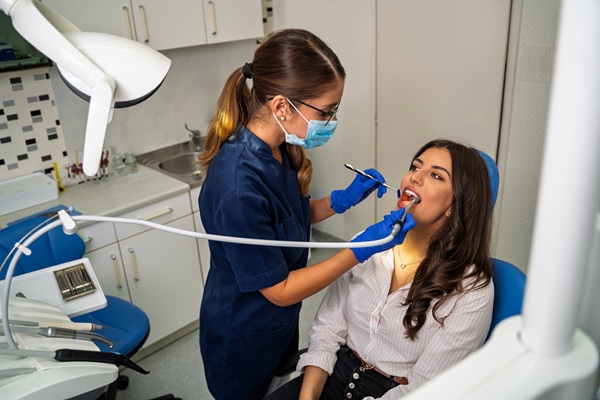
General dentists are the best resource to refer to when it comes to plaque and tartar. They specialize in treating both, while also making an effort to educate patients on ways to prevent development to begin with. Thankfully, there are a lot of ways that general dentists can help patients avoid this from occurring. One way is to provide information that allows for a better understanding of the dangers.
Quick guide to plaque and tartar
Below is a quick overview of what a general dentist thinks is important to know about plaque and tartar. Reviewing this information may prove to be helpful to those who are not sure how harmful both can be.
The difference
Plaque is the start of a bacterial infection. It is colorless and sticks to the surface of the teeth like a film coating. General dentists state that plaque needs to be removed when it is still sticky and soft. Otherwise, it turns into tartar. Tartar is hard and sticks to the surface of the teeth, as well as the gum line, making it very difficult to remove. It also appears colorless, making it difficult to see or notice, which is why other symptoms may occur. Tartar must be addressed as it can result in tooth decay and even loss.
Dangers
Plaque can be dangerous because it can turn into tartar, which is where the real damage can take place. Once plaque does turn into tartar, the effects can be detrimental, resulting in the need for a lot of treatment. General dentists typically treat tartar build-up with restorative procedures. If decay occurs, fillings or crowns may need to be placed. In some cases, tartar can also affect the gums, which may result in the need to undergo more serious procedures, such as scaling and root planing. Scaling and root planing involves scraping the gum line clean to get rid of any buildup.
Prevention
Both plaque and tartar can easily be prevented if regular visits to the general dentist take place. Check-ups and cleaning should be done at least every six months, if not more. Additionally, a good oral hygiene routine every day is important as it will ensure that the teeth remain in good shape. Good oral hygiene includes brushing twice a day, flossing at least once, and rinsing with mouthwash a few times a week.
Find out more from a general dentist
Those who want more information on plaque and tartar can talk directly with a general dentist. It is important to have a good understanding of both in order to maintain good oral health. When suffering from plaque and tartar, it is also necessary to visit a general dentist. An evaluation can be performed to determine what type of treatment is necessary. From there, the patient will know what to expect as far as timeline and improvement. Reach out today to schedule an appointment!
Request an appointment here: https://mbdentalcarenj.com or call MB Dental Care at (908) 442-8389 for an appointment in our Dunellen office.
Check out what others are saying about our dental services on Yelp: General Dentist in Dunellen, NJ.
Related Posts
Patients comparing implant crowns and traditional crowns often want a clear, practical explanation. Implant-supported crowns replace a missing tooth by attaching to a dental implant, which functions as an artificial tooth root placed in the jawbone. Traditional crowns cover and reinforce an existing natural tooth after decay, fracture, or a large filling. Both restore shape,…
When you have severe pain or unexpected dental trauma, getting emergency dentistry should be your first priority. If you experience sudden tooth pain, a general dentist is usually the go-to provider. Many people worry that their regular dental office cannot handle urgent issues. However, general dentists have the tools and training to treat serious oral…
Most people grow up hearing that dental care means one checkup with a family dentist every six months. While that schedule works well for many patients, it is not the right fit for every smile. Some people benefit from more frequent visits because their oral health needs, habits, or medical history place them at a…
A deep teeth cleaning is a more intensive dental cleaning procedure that goes beyond the standard cleaning performed during regular dental visits. The treatment removes plaque, tartar, and bacteria from below the gum line, addressing issues or severe plaque buildup, which can lead to further oral health complications if left untreated.Several signs may indicate the…