Is Dental Sedation Safe?
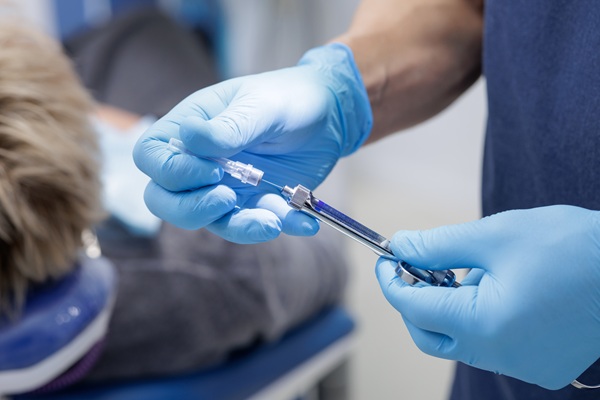
Dental sedation is used by many general dentists for procedures that potentially cause discomfort. Many patients are appreciative of dental sedation, as it offers a more comfortable and less painful treatment process, and knowing that they will receive dental sedation helps many deal with dental anxiety before the procedure begins.
Reviewing the safety and effectiveness of dental sedation
There are many benefits to dental sedation, but is treatment safe for patients? Most patients do not experience any serious or long-lasting side effects of dental sedation. However, as is the case with all medications, dental sedation does have risks and potential side effects to become familiar with.
What is dental sedation?
Dental sedation is a type of medication administered or taken before a dental procedure. The purpose of dental sedation is to reduce the pain and anxiety that a patient experiences during a dental procedure. There are three primary types of dental sedation, which are nitrous oxide (laughing gas), oral sedation and IV sedation. During treatment, the patient is awake and able to communicate to a certain extent, but they may feel sleepy and groggy.
Does dental sedation have any risks?
Dental sedation is safe for most patients, and very few experience any concerning side effects. However, there are risks to be mindful of. Most notably, dental sedation may cause:
- Low blood pressure
- Allergic reaction
- Shortness of breath
- Heart complications
To ensure optimal safety, dentists examine each patient's history and ask about their allergies before providing dental sedation. Some patients are at higher risk of complications, in which case, an alternative type of dental sedation or another dental procedure may be best.
How can a dentist minimize the risks of dental sedation?
Dentists take every precaution possible to keep patients safe. This includes reviewing their dental and medical history, asking questions about their allergies and discussing the potential risks of dental sedation with the patient. If the dentist feels that there may be harmful side effects, then they may suggest an alternative form of sedation or treatment. However, most patients who are not allergic and do not have severe heart complications are at low risk of any complications from oral sedation or nitrous oxide.
What should I do to prepare for during and after dental sedation?
Patients can prepare for dental sedation by following the dentist’s instructions the night before treatment. There are no preparation requirements necessary for nitrous oxide and most oral medications, although the patient may be asked to fast the night before IV sedation. It is also helpful to bring a list of questions to ask the dentist if you have concerns about the safety or effectiveness of dental sedation.
Dental sedation is a great way to minimize pain and anxiety
Concerns related to pain during treatment and dental anxiety do not have to hold you back from getting the dental care that you need to maintain optimal oral health. If you would like to learn more about the safety and effectiveness of dental sedation, then reach our team by phone or email today.
Are you considering dental sedation in the Dunellen area? Get more information at https://mbdentalcarenj.com.
Check out what others are saying about our dental services on Yelp: Sedation Dentist in Dunellen, NJ.
Related Posts
Patients comparing implant crowns and traditional crowns often want a clear, practical explanation. Implant-supported crowns replace a missing tooth by attaching to a dental implant, which functions as an artificial tooth root placed in the jawbone. Traditional crowns cover and reinforce an existing natural tooth after decay, fracture, or a large filling. Both restore shape,…
When you have severe pain or unexpected dental trauma, getting emergency dentistry should be your first priority. If you experience sudden tooth pain, a general dentist is usually the go-to provider. Many people worry that their regular dental office cannot handle urgent issues. However, general dentists have the tools and training to treat serious oral…
Most people grow up hearing that dental care means one checkup with a family dentist every six months. While that schedule works well for many patients, it is not the right fit for every smile. Some people benefit from more frequent visits because their oral health needs, habits, or medical history place them at a…
A deep teeth cleaning is a more intensive dental cleaning procedure that goes beyond the standard cleaning performed during regular dental visits. The treatment removes plaque, tartar, and bacteria from below the gum line, addressing issues or severe plaque buildup, which can lead to further oral health complications if left untreated.Several signs may indicate the…